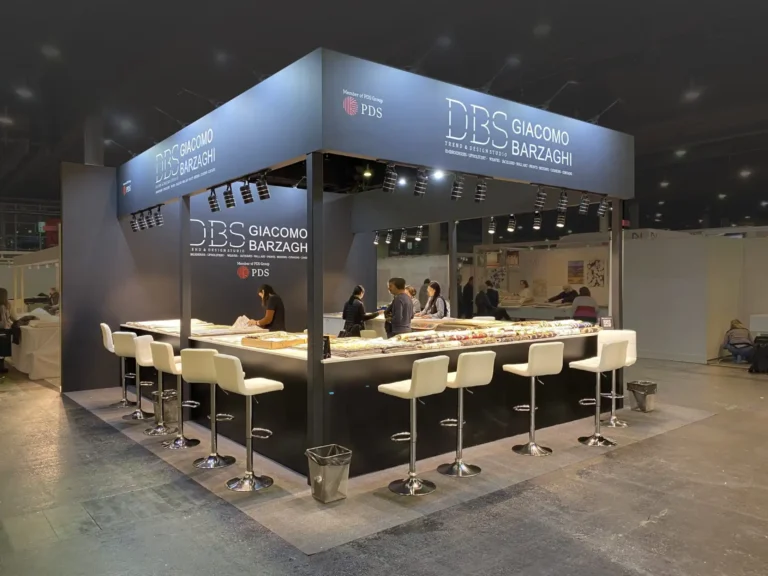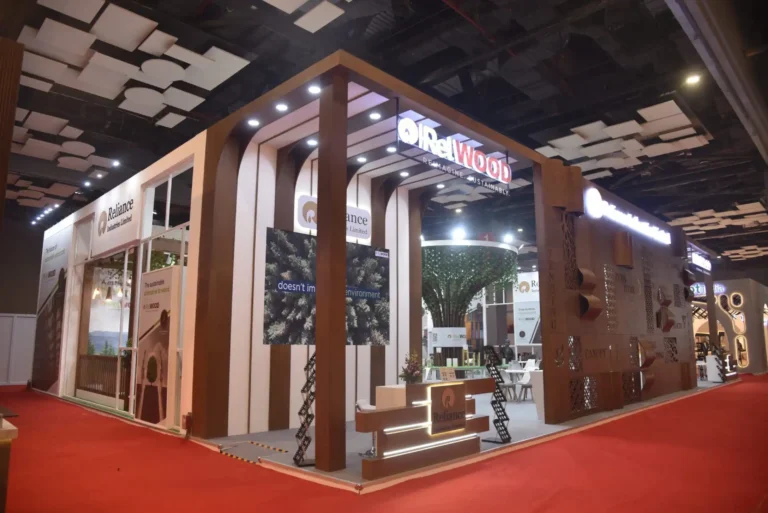


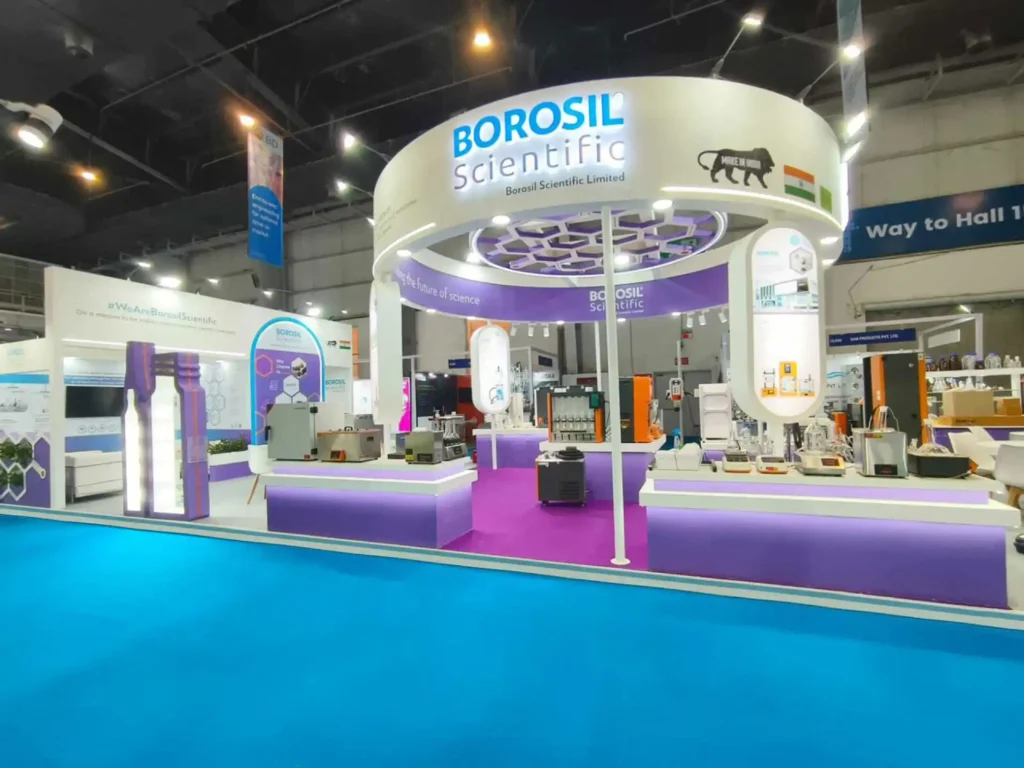
What’s the topmost reason for a brand to participate in a trade show?
It’s lead generation.
While there can be several other reasons like brand awareness, networking, and industry learning; nothing tops capturing quality leads. Because client acquisition is always the end objective. In fact, many companies invest in exhibitions considering it the perfect platform to launch a new series of products or materials, especially in international markets. This helps them gain the attention of a versatile audience from all walks; thus boosting engagement and sales.
Top 5 Tips for Product Placement in Exhibitions
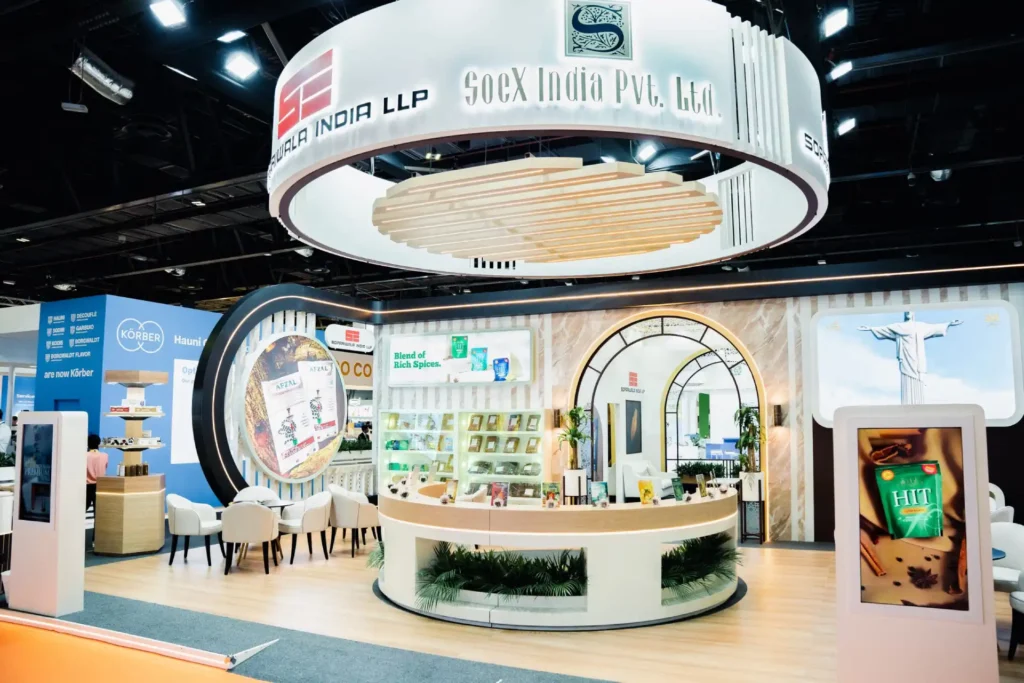
Product placement is at the heart of any exhibition booth design. It’s the element around which everything else revolves. It is a given that if your products are correctly positioned for visitor viewing angles, there’s a higher chance for them to be noticed. But, how do you ensure that your product placements are appropriate? Well, here are 5 strategic design ideas that can help you:
Identify prime viewing zones
The first step to bank on your product placement is to understand where visitors are most likely to see it. Entry points, booth corners and centres are the most optimal areas for prime viewing. These spaces naturally draw visitors’ attention and lure their interest. Placing dynamic or bold flagship products in these high-traffic spots helps ensure they don’t go unnoticed. Additionally, items displayed at eye level reasonably draw more attention because they are right in front of the visitor.
Vary display heights and angles
With limited booth space, verticality truly helps in curating exhibition areas. This is where you bring the third dimension into play and think of the booth layout in its totality. Adding height variations within your displays can make the space feel more visually engaging, thereby giving each product its own space to shine. Further, multi-level display units can allow visitors to see products from different perspectives. Experimenting with displays or angled shelves can also add interest and encourage visitors to approach the product.
Use lighting to highlight products
Lighting is an excellent tool to draw attention to specific exhibits. While ambient lighting (used for the overall illumination of a space) draws attention to every product; it is task lighting and accent lighting that can be a game-changer. They draw attention to an activity or a product, thus making it more attractive. Spotlights, LED strips, and backlighting help create an impactful look, thus making products stand out. Further, lighting colour and brightness play an important role in setting the mood of a space. As an example, softer tones may work better for creating warmth, while bright direct lighting can make a bold statement.
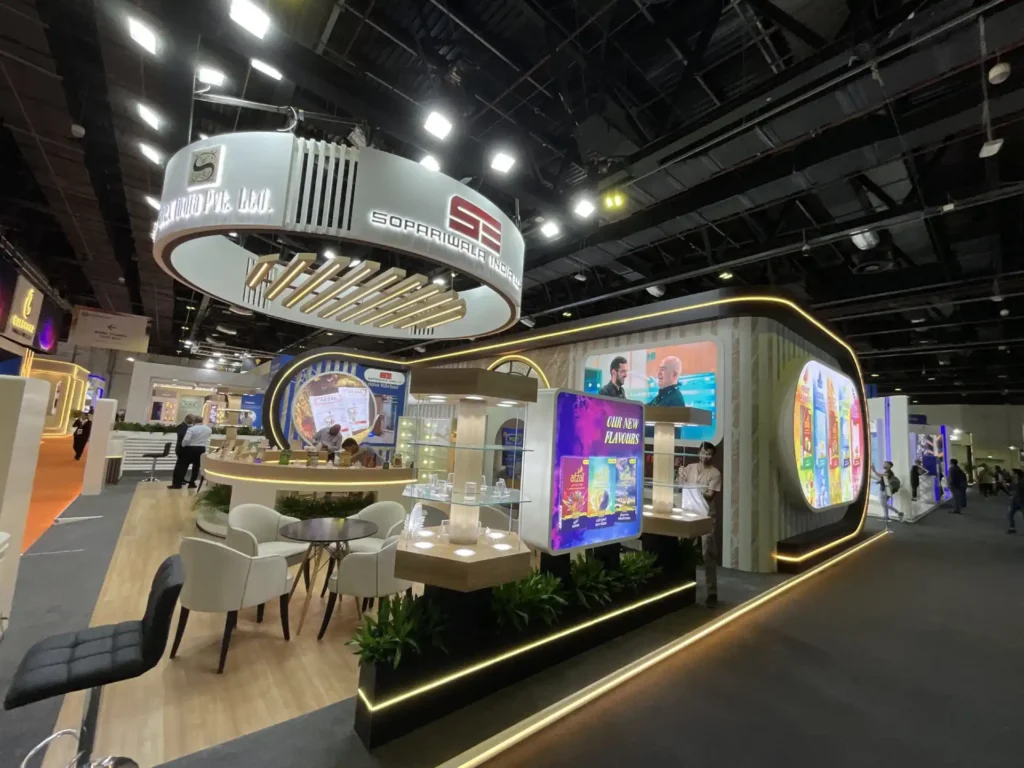
Group products by category
When products are organised in a cohesive and logical flow, visitors can find what they are looking for quickly and feel more driven to explore. This is where grouping helps, setting the theme of the space. For instance, if your brand offers a range of body care products, you can consider grouping them into categories based on body parts, benefits, usage, or collections. Also, adding signs or titles for each product category can make navigation simpler and more effective. This approach allows you to form relationships around each group, guiding visitors through the experience in an intentional way.
Make it interactive with technology
With state-of-the-art technology available to us, we have a whole new paradigm of possibilities to enhance product experience through virtual engagement. Using hands-on displays gives visitors a sense of the product’s quality, functionality, and unique features. You can set up demonstration zones where visitors can try out products or view live demos that showcase their benefits. Additionally, interactive displays such as touch screens or VR experiences can provide in-depth information and allow visitors to explore product features in detail.
In conclusion
The purpose of any exhibitor is to “be seen” and gain the desired limelight for their products. So, when finalising product placements, brands should avoid overcrowding the booth as it can overwhelm visitors and make it difficult for the “star product” to shine. Additionally, a lack of cohesive organisation can make the booth confusing to navigate, causing visitors to overlook important offerings.
If you’re looking to design exhibition booths that make your products the talk of the town, you can drop an inquiry here. Design Desk has partnered with leading corporate conglomerates across the globe, helping them create impressionable exhibition spaces. If you are curious to explore more of our work here.